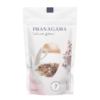

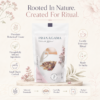

What is it
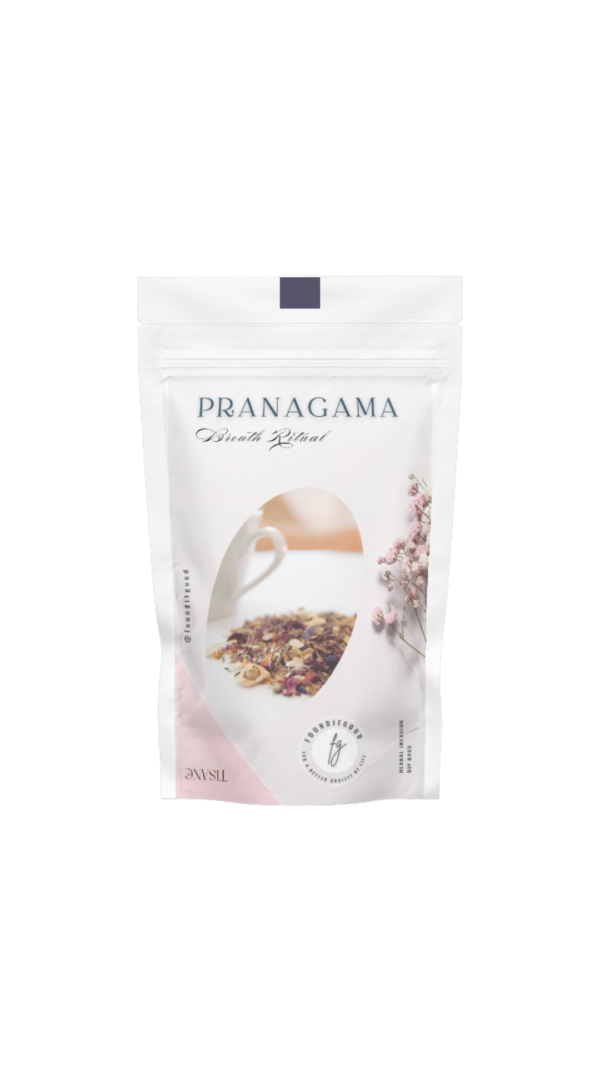
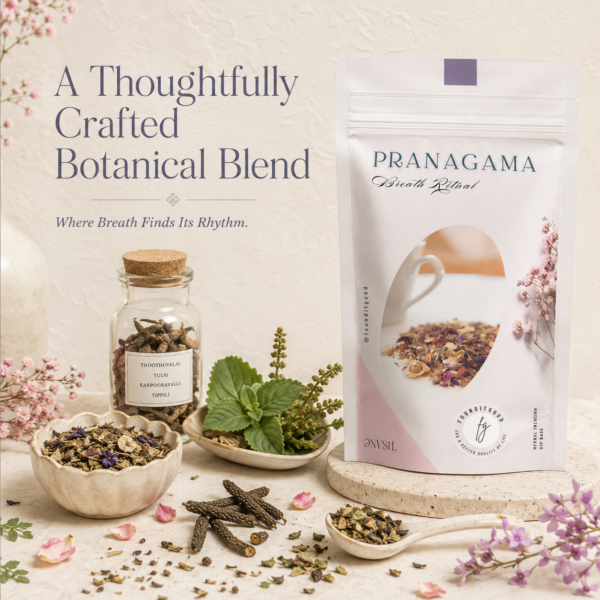
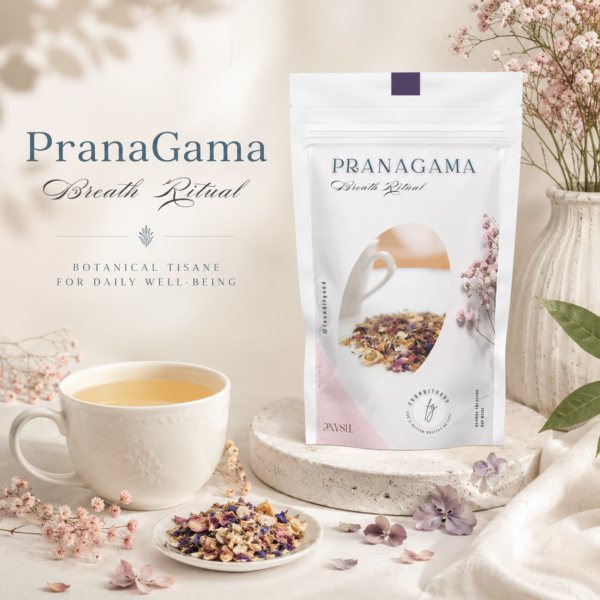
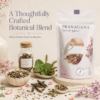
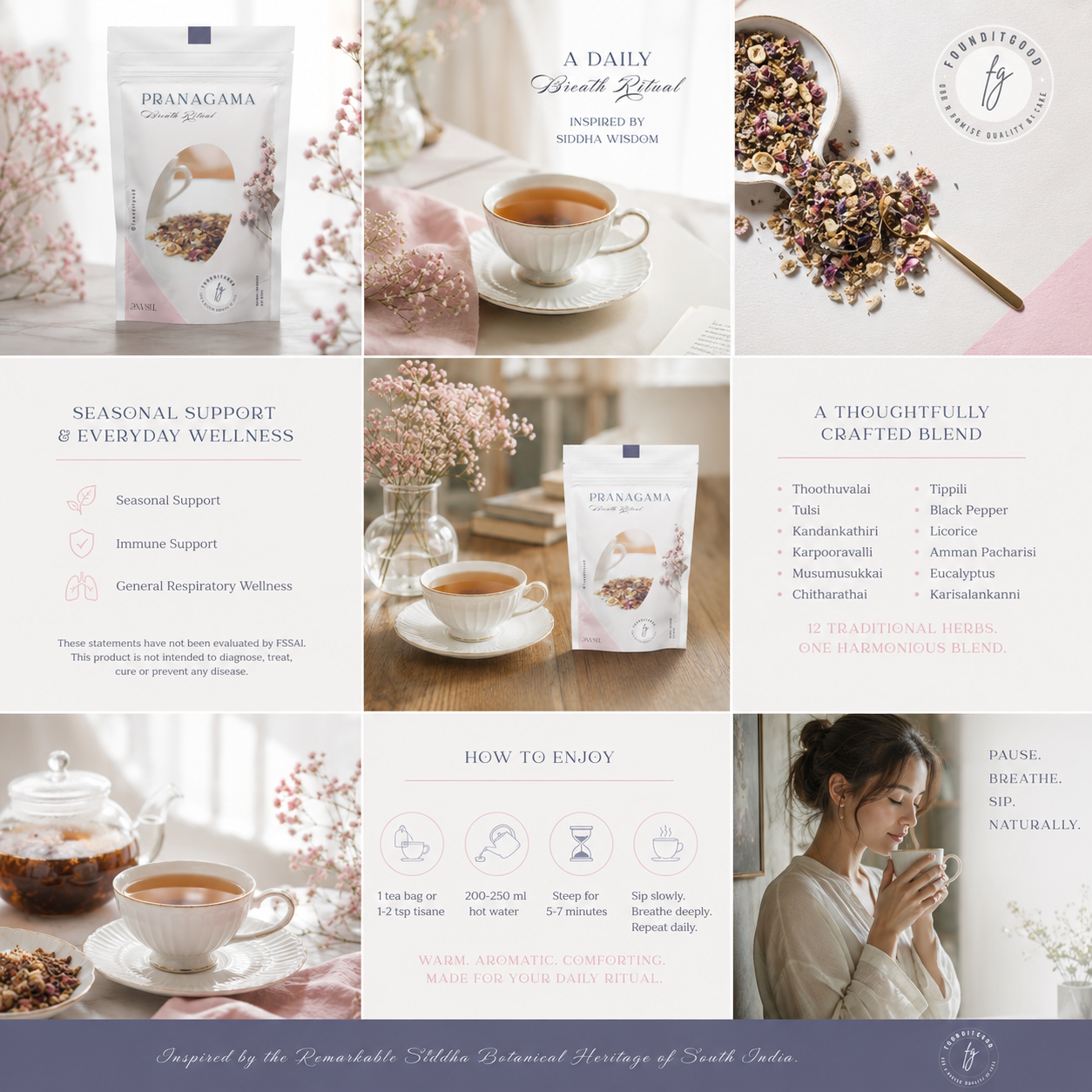
PranaGama — prana, the breath, the quiet life-force that moves through every waking moment — is a botanical tisane drawn from the Siddha healing tradition of South India. It is a caffeine-free herbal infusion of twelve traditional herbs, most of them long associated in Siddha and Ayurvedic households with the breath and the changing of seasons: Thoothuvalai (Solanum trilobatum), Tulsi (Ocimum sanctum / Holy Basil), Kandankathiri (Solanum virginianum), Karpooravalli (Plectranthus amboinicus / Indian Borage), Musumusukkai (Mukia maderaspatana), Chitharathai (Alpinia officinarum / Lesser Galangal), Tippili (Piper longum / Long Pepper), black pepper, licorice (Glycyrrhiza glabra / Athimadhuram), Amman Pacharisi (Euphorbia hirta), eucalyptus and Karisalankanni (Eclipta alba).
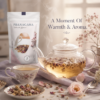
It is not a fix for a bad day. It is a small, warm, aromatic ritual for an ordinary one — a cup to hold, a moment to breathe, a taste that is gently peppery, herbaceous and clean
What Makes PranaGama Different?
“Not inspired by trends. Inspired by tradition” – PranaGama begins with a philosophy.
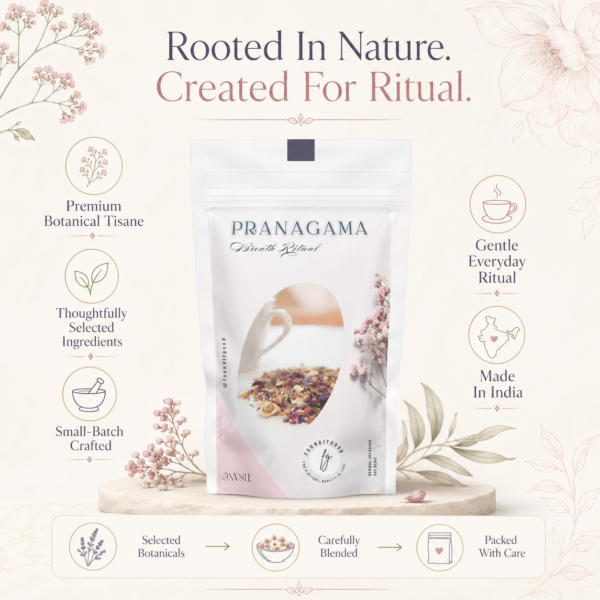
Inspired by the remarkable Siddha botanical heritage of South India, PranaGama brings together carefully selected herbs that have been cherished in traditional South Indian households for generations—not simply because they were popular, but because they became part of everyday life.
Rather than creating a tea for occasional use, we created a Daily Breath Ritual—a warm, aromatic botanical infusion that invites you to pause, breathe deeply, and reconnect with nature every single day.
This is tradition, thoughtfully crafted for modern living.
What It Does
- Supports everyday respiratory wellness. Tulsi, Karpooravalli, Tippili and eucalyptus have been central to South Indian breath traditions for centuries — the herbs a household turned to when the seasons turned.
- A gentle companion through seasonal change. Warm, aromatic and soothing, it’s an easy daily habit for the times of year when comfort matters most.
- Everyday immune support. In a small double-blind trial in healthy adults, an extract of Tulsi leaf was associated with increases in several immune-signaling markers (Mondal et al., 2011).
- Comfort for the throat and senses. Licorice root lends a natural sweetness and a soothing quality; eucalyptus and the peppers give the cup its clean, warming aromatic lift.
- An emerging angle — breath, and the pause around it. Beyond the botanicals, Tulsi is increasingly studied as an adaptogen, and the ritual itself matters: the slow, warm cup invites the kind of unhurried breathing a busy day rarely leaves room for. The tea is only half of it — the pause is the other half.
Disclaimer
FounditGood PranaGama is a herbal food product / tisane, not a medicine, and is not intended to diagnose, treat, cure, or prevent any disease. Those who are pregnant or breastfeeding, children, and anyone on regular medication should consult a healthcare professional before use. These statements have not been evaluated by FSSAI.
References
Ancient texts and modern research. Study type is stated honestly in every case — this is a wellness tisane, and the evidence below is supporting context, not a health claim.
- Charaka Samhita, Chikitsa Sthana (Rasayana section) — Tippili / Piper longum fruit described among the classical rejuvenatives used in breath-supportive formulations. (Classical Ayurvedic text.)
- Bhavaprakasha Nighantu, Pushpa Varga — Tulasi (Ocimum sanctum) described for its warming, breath- and immunity-supportive qualities. (Classical Ayurvedic text.)
- Mondal S, Varma S, Bamola VD, Naik SN, Mirdha BR, Padhi MM, Mehta N, Mahapatra SC. Double-blinded randomized controlled trial for immunomodulatory effects of Tulsi (Ocimum sanctum Linn.) leaf extract on healthy volunteers. Journal of Ethnopharmacology. 2011;136(3):452–456. https://pubmed.ncbi.nlm.nih.gov/21619917/ — Small human trial (22 completed); tests the leaf. Immune-signalling markers rose in healthy adults.
- Leu WJ, Chen JC, Guh JH. Extract from Plectranthus amboinicus (Karpooravalli) inhibits maturation and release of interleukin-1β through inhibition of NF-κB nuclear translocation and NLRP3 inflammasome activation. Frontiers in Pharmacology. 2019;10:573. https://doi.org/10.3389/fphar.2019.00573 — Laboratory (in vitro / cell) study; tests the leaf extract.
- Kumari M, Ashok BK, Ravishankar B, Pandya TN, Acharya R. Anti-inflammatory activity of two varieties of Pippali (Piper longum Linn.). Ayu. 2012;33(2):307–310. https://pubmed.ncbi.nlm.nih.gov/23559810/ — Animal (rat) study; tests the fruit.